Human–AI SystemsTrust ArchitectureIC + Design Leadership
I architect the Confidence Bridge — where machine intelligence and human trust meet. From Tesla's physical autonomy era to Intuit's cognitive autonomy era, my work asks one question: what makes intelligence feel human?
"The most interesting design problem of our time is the trust gap between humans and AI systems. I'm working on it every day."
14 years designing high-stakes decisions — EVs, taxes, AI systems. From Tesla's physical autonomy era to Intuit's cognitive one, I've learned that confidence is the product. My job is building the layer where machine intelligence and human trust meet.
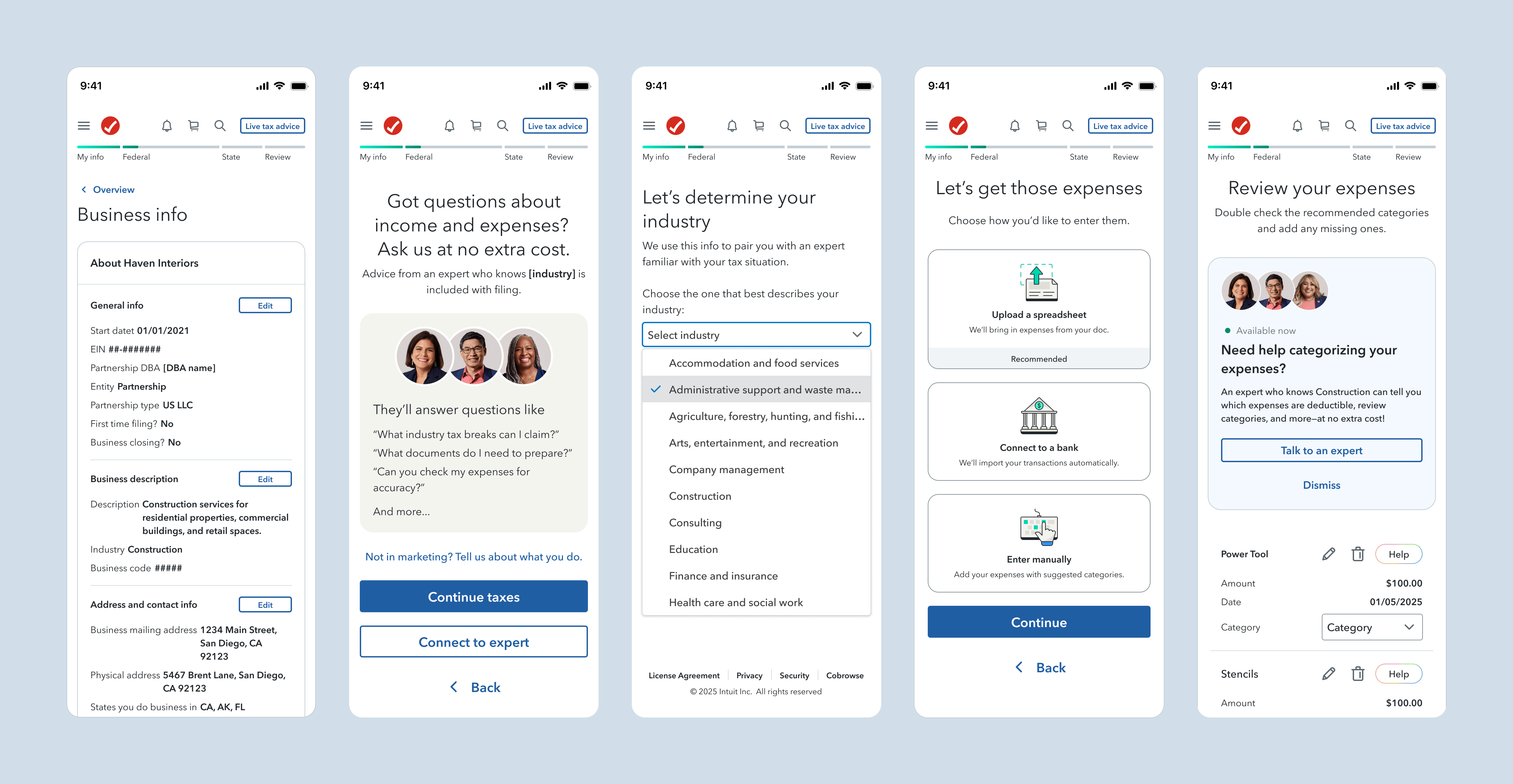
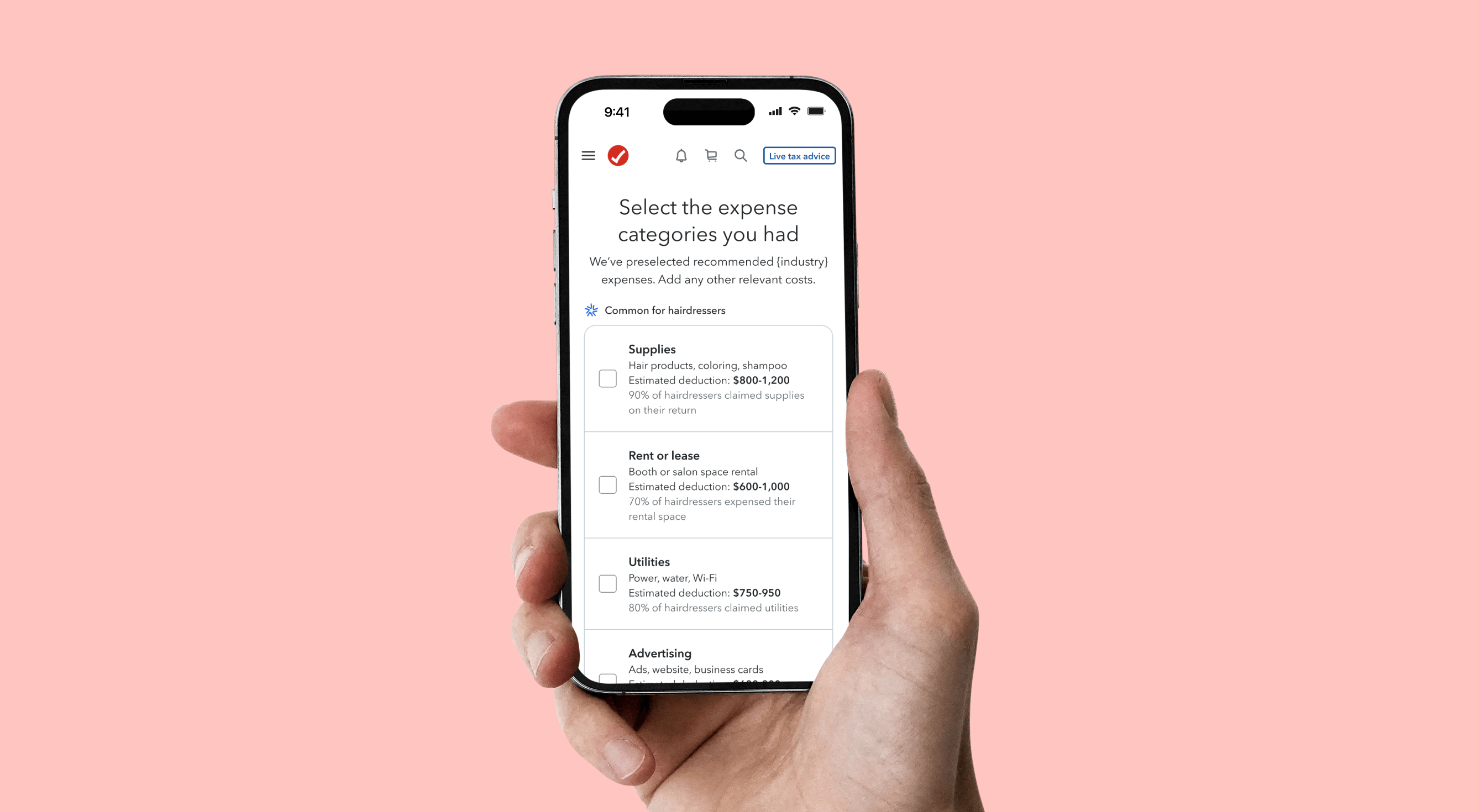
The Cognitive Autonomy era. I’m building the trust layer between small business owners and the AI that’s supposed to help them. Expert matching, agentic expense recs, an AI co-pilot experience — all asking the same question: what does it take for a person to actually hand the wheel to a machine?

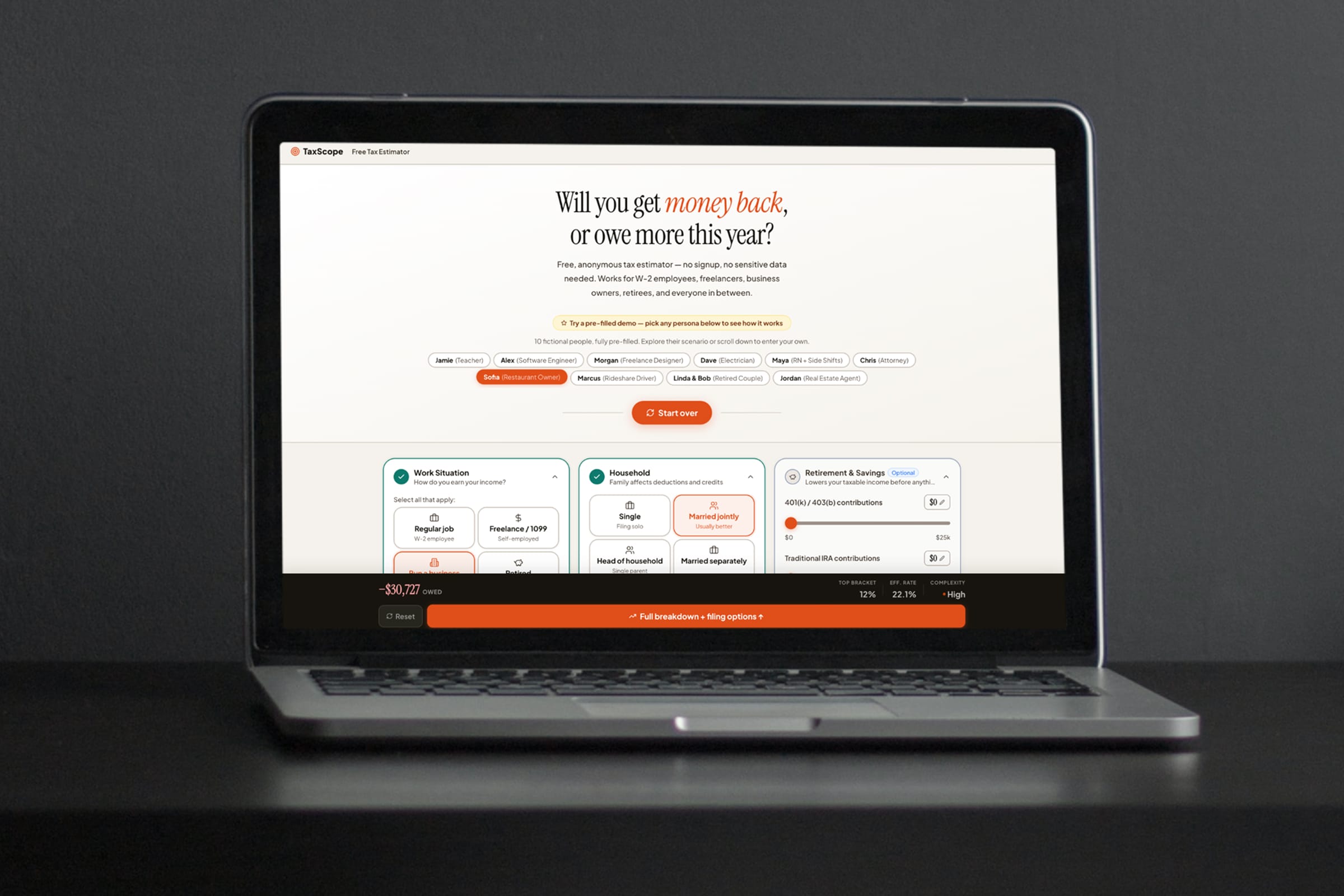
Nobody had built an honest tax estimator. No paywall, no signup, no hand-waving. I stayed up and built it.

Trust scales through recognition, not search. I built the system that makes the right expert feel inevitable.

Generic checklists don't build trust. Knowing you're a nail salon owner before you type it does.
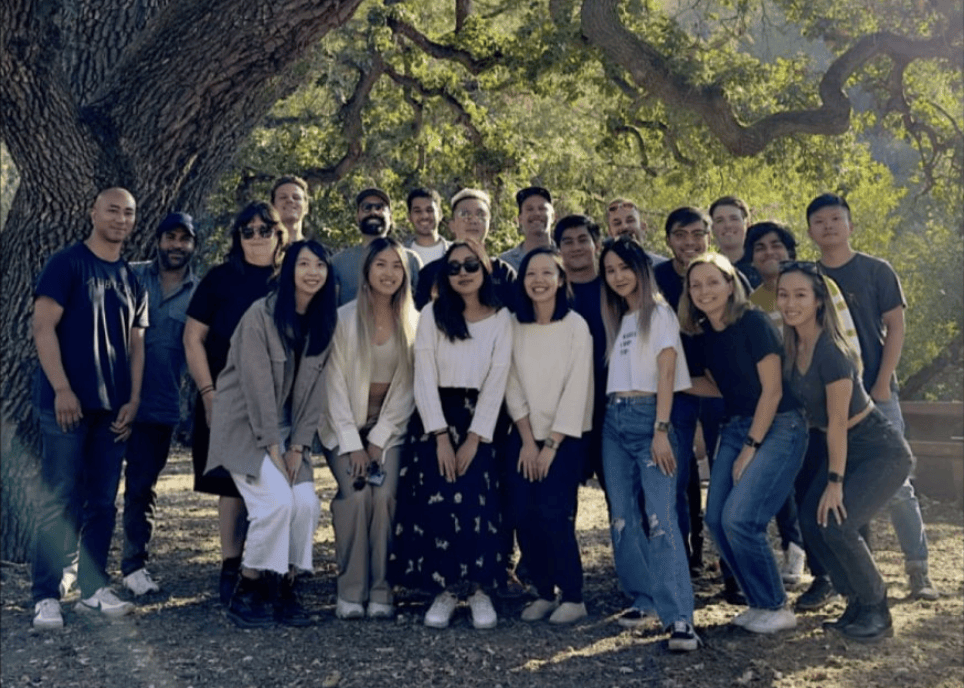
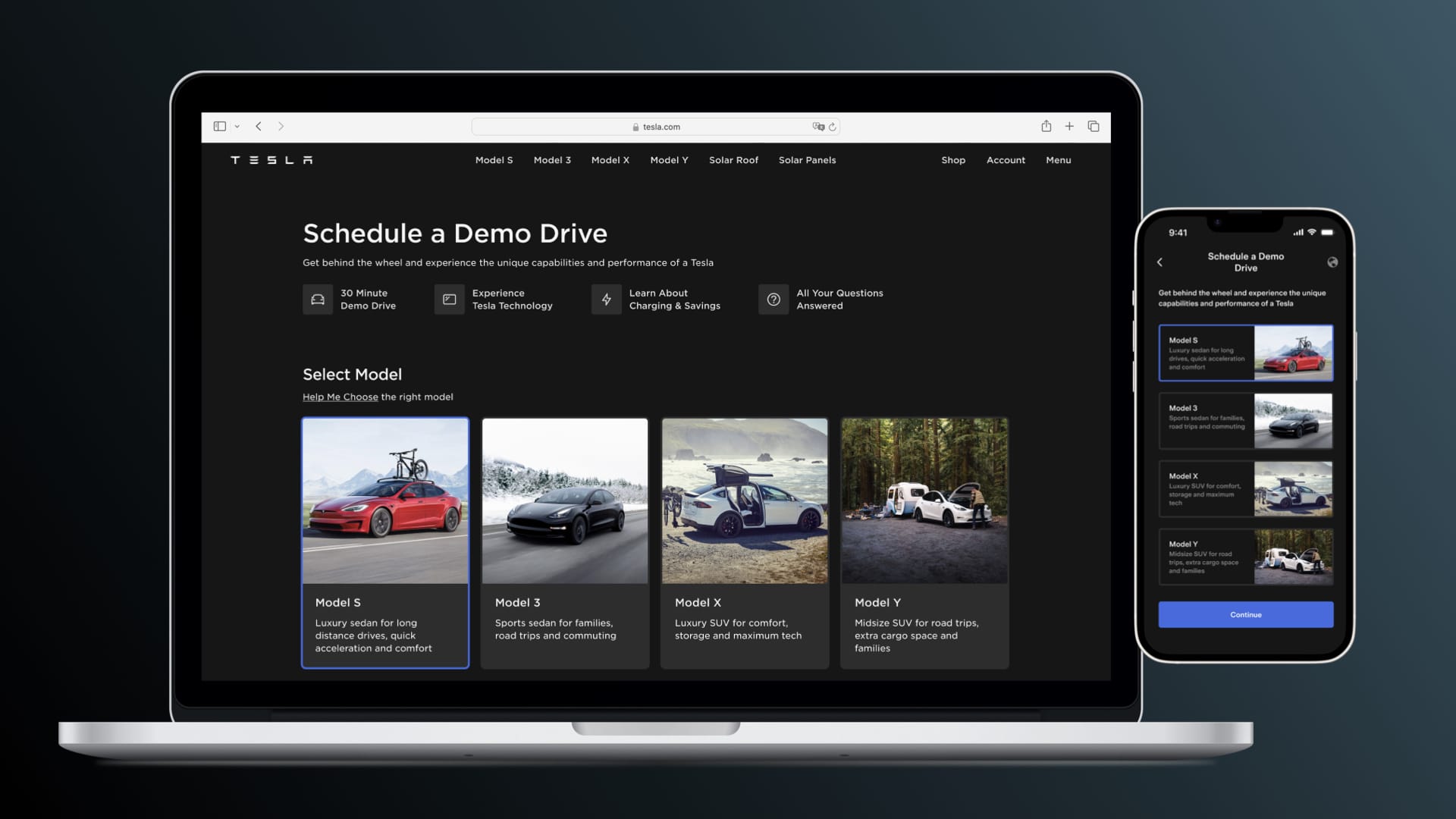
The Physical Autonomy era. I built the team that built the digital face of Tesla — from Model 3 Highland’s launch across 35 countries to Cybertruck’s reservation engine to the app that turned owners into an audience. Four years, seven designers, zero legacy to lean on.

Zero team, zero playbook. Four years later — seven generalists behind everything Tesla’s world sees.

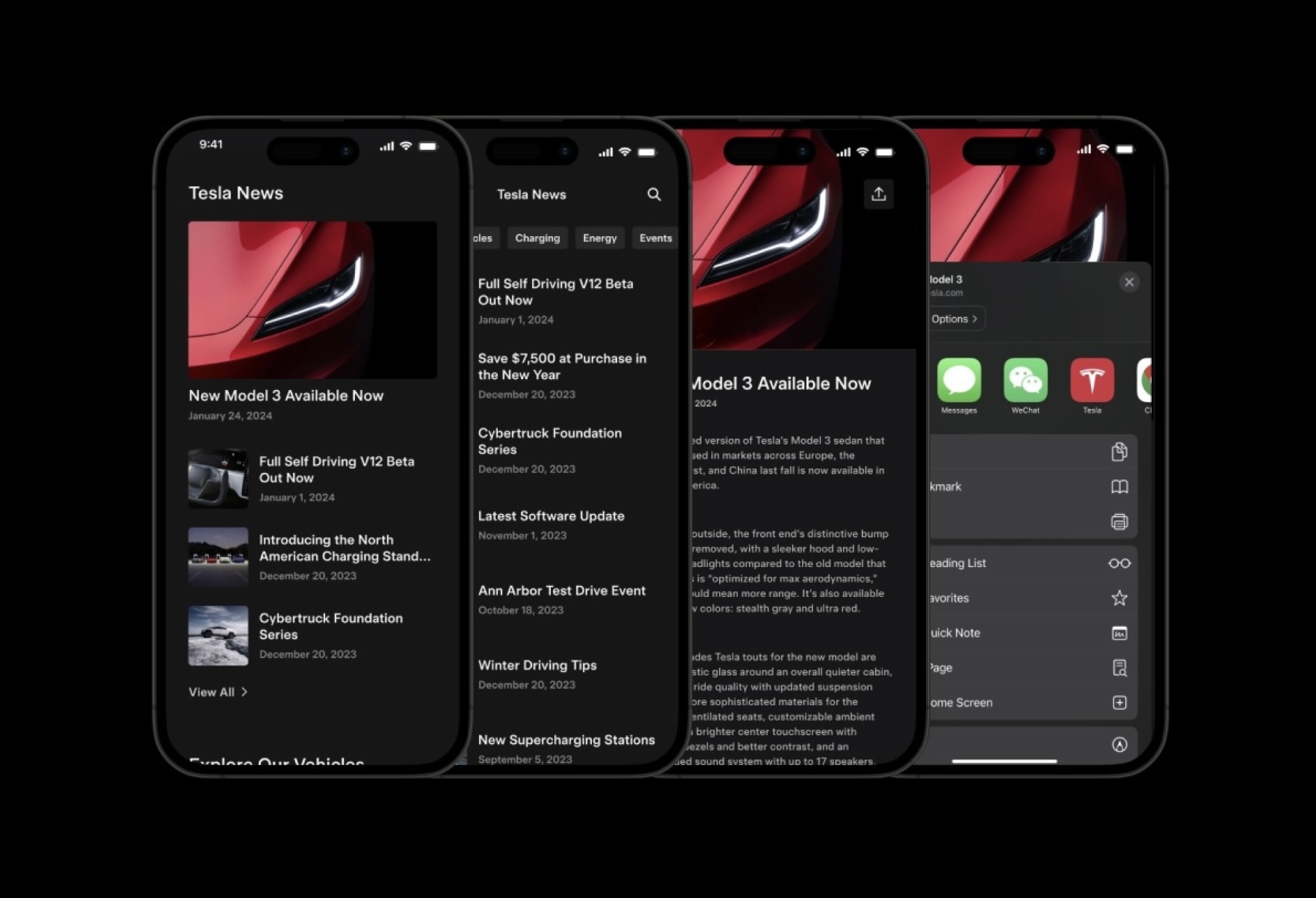
The best-selling EV got a quiet redesign. I built the launch that made the world feel the difference.

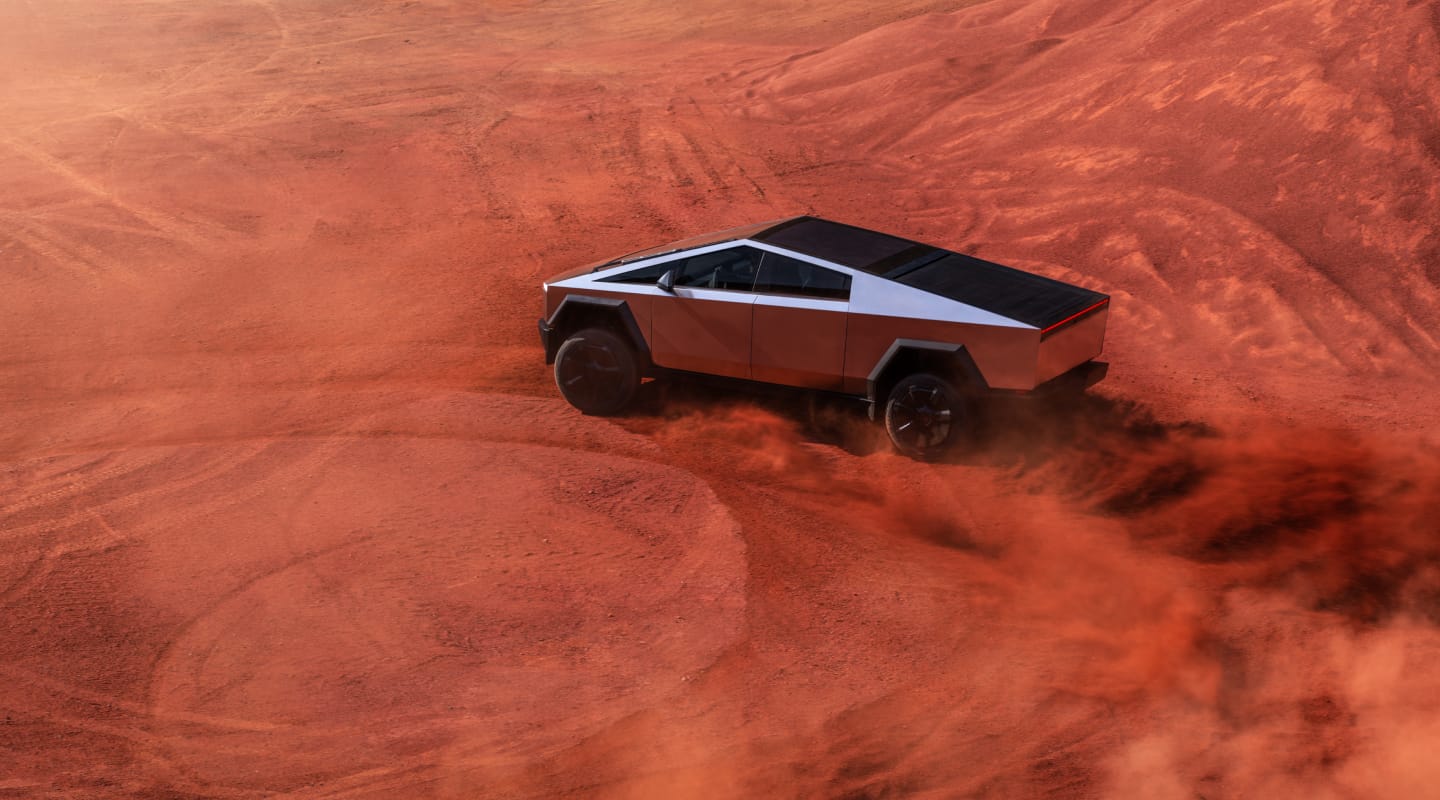
I led the team that turned the most polarizing vehicle on earth into a digital experience that matched it.

Not the drives — the humans scheduling them. I built self-serve and the bottleneck vanished.

A lock/unlock app is a utility. I built the layer that made it a discovery engine instead.
The Commerce Infrastructure era. I learned that complexity is never the user’s problem to solve — it’s mine. The portal that gave 3K+ partners a single source of truth, the self-serve flow that cleared a 14,000-ticket backlog, the unified interface that made three tools think like one.

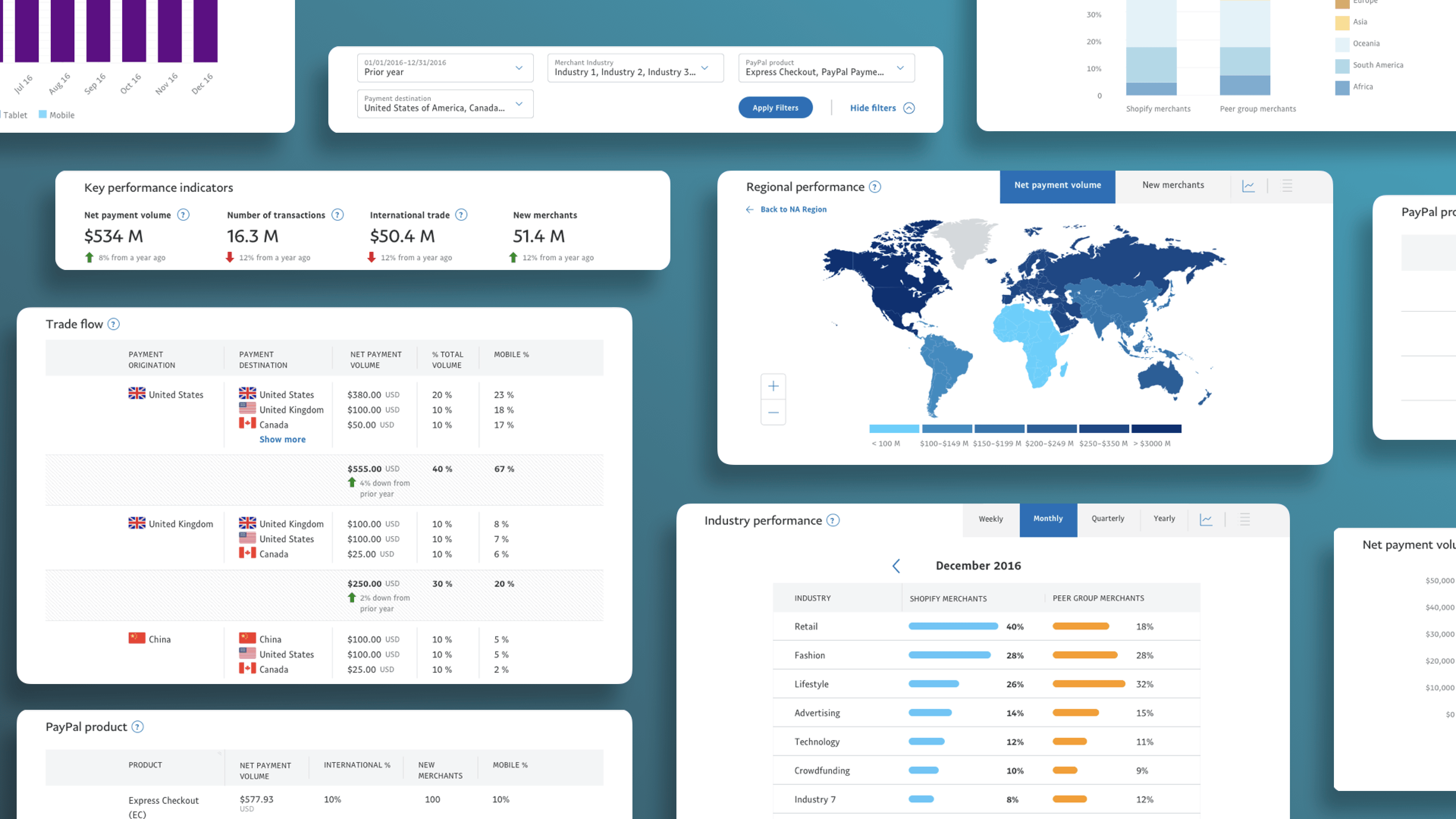
Five dashboards, no shared truth, and 3K+ partners navigating alone. I built the one place they’d actually trust.

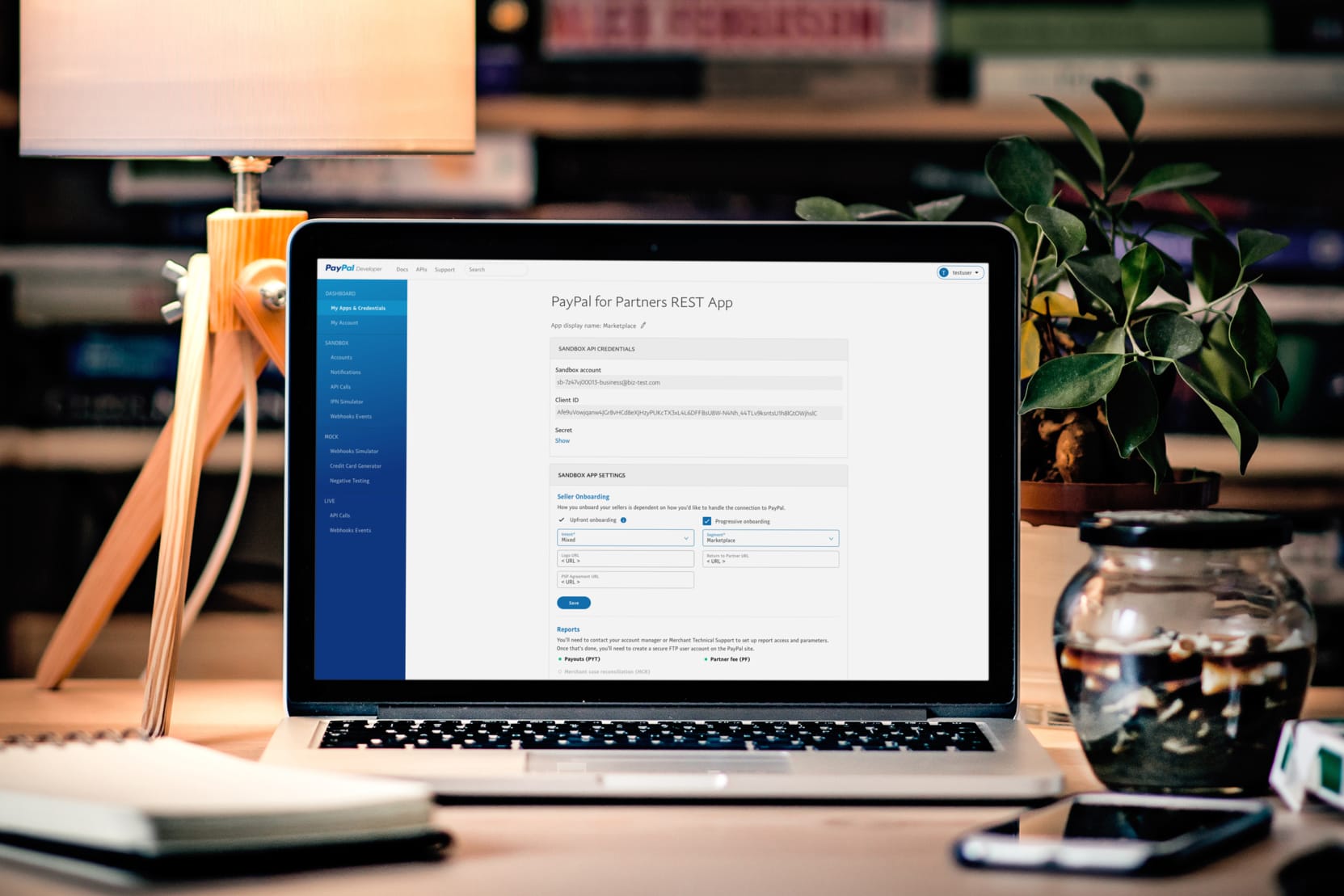
Partners couldn't get in, and the tools inside were broken. I fixed both ends — the portal that cleared the backlog and the interface that unified it.
Open to design leadership, principal IC, and hybrid roles — anywhere AI, trust, and human experience intersect.